
Short-form storytelling
YouTube Shorts Series or Your Own Video Platform
For Australian brands and specialist publishers, a small series pilot is often the useful first step. Learn whether people return for the next episode. Explore your own video platform when a specific access rule, customer journey or integration is holding you back.
What changed
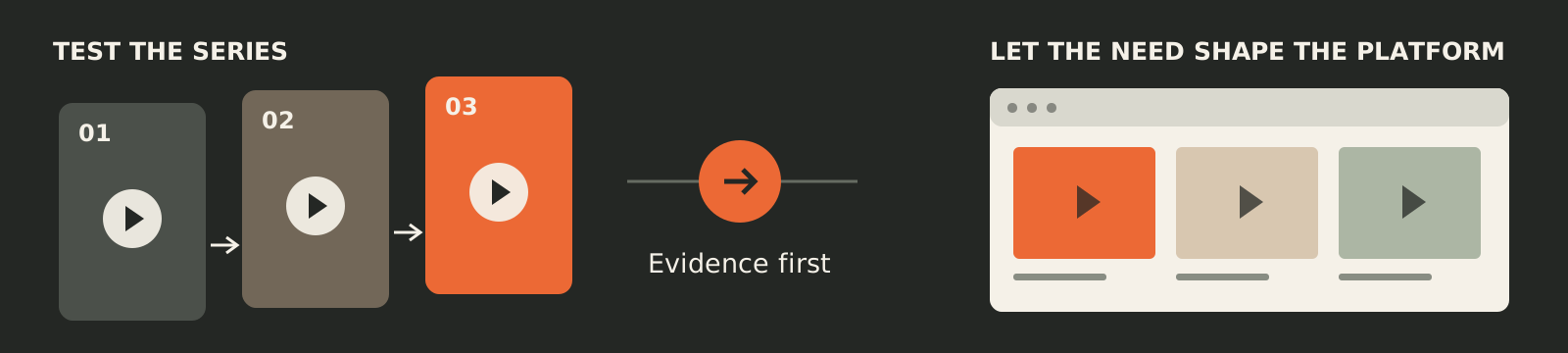
On 23 September 2026, YouTube announced Shorts series: seasons, episodes, custom thumbnails and sequential playback. The rollout began for YouTube Partner Program creators across web, mobile and TV. Check your channel’s access before planning a launch. YouTube announcement.
The format provides a connected viewing experience. YouTube’s guidance says a series playlist must contain only Shorts: portrait or square videos up to 180 seconds long. YouTube series guidance.
Start with one audience question
Give viewers a clear reason to watch the next instalment. An equipment brand could answer installation questions; a trade publisher could follow a project through its stages. Use examples and language your audience recognises.
Set one production budget and one business goal, such as an enquiry, repeat visit or subscription. Decide what would justify another run before releasing the pilot.
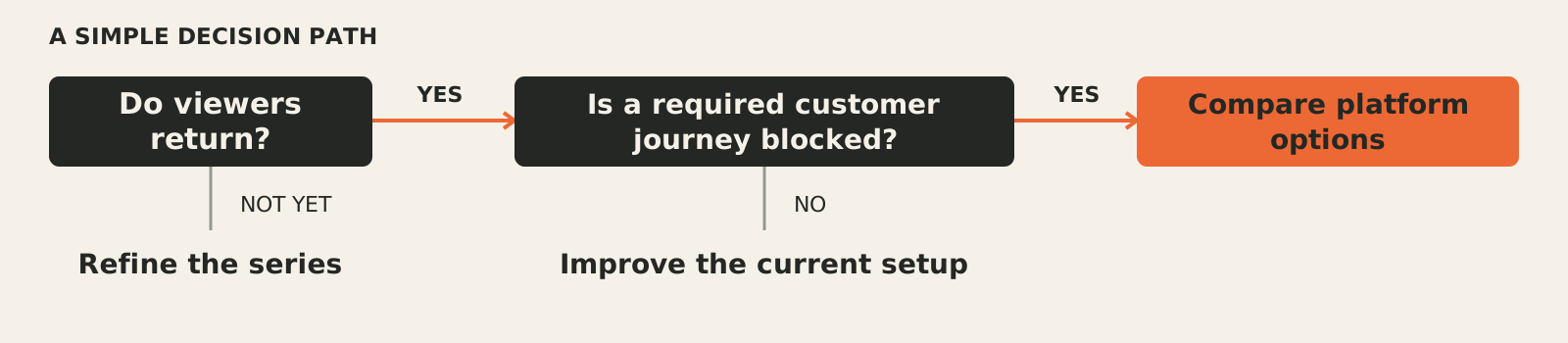
Review viewing across episodes, audience questions and the intended business action. A popular clip alone does not establish demand for a paid app.
If the series sends viewers to a landing page, keep the message consistent and track enquiries there. Review the pilot after the planned episodes have had time to attract an audience.
Choose the smallest platform that fits
If viewers return and a required workflow remains awkward, identify the missing capability. Perhaps customers need a library tied to existing accounts, organisation-specific access, or a viewing journey connected to your service.
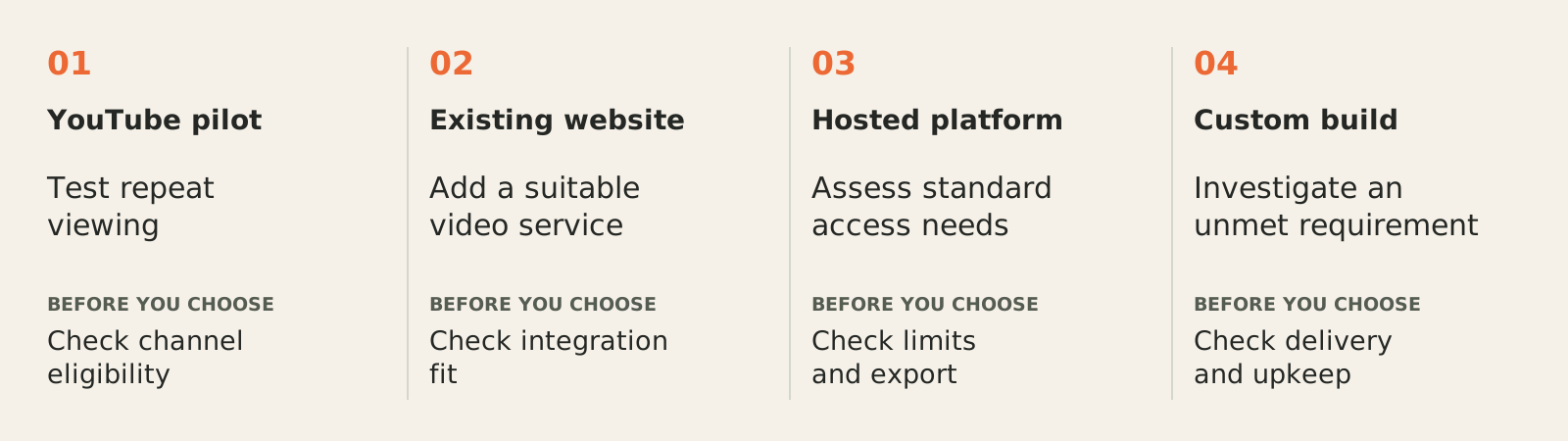
Compare your current website with a suitable video service, an established hosted platform and a custom build. Ask each supplier to demonstrate the difficult workflow using a small content sample. Access management, failed payments and correcting a published episode deserve as much attention as the video feed.
An owned experience can use hosted services behind the scenes. Justify custom development against a concrete requirement and identify who will own ongoing maintenance.
Make the estimate useful
Request itemised AUD pricing with tax treatment stated. Separate implementation from recurring delivery, storage, support and integration costs. Ask what increases with usage, how overseas currency affects the bill and what it costs to export your content.
Include captions, playback on ordinary mobile connections and the TV devices you actually need. Test remote-control navigation if living-room viewing matters.
Keep a person in the publishing loop
Trial automation on draft captions, aspect ratios or metadata. Have a person approve names, facts, captions and episode order, with a way to stop scheduled releases.
For monetised channels, YouTube expects original, authentic content. Build editorial review into the workflow. YouTube monetisation policy.
Ask for proof that any proposed integration supports the exact publishing action you need. A feature in a creator interface may not have an equivalent API action. Test the integration before putting automated series management in the scope.
Sources & further reading
- YouTube announcement Checked 3 October 2026
- YouTube series guidance Checked 3 October 2026
- YouTube monetisation policy Checked 3 October 2026
Put the thinking to work.
Planning a short-form video or OTT project? Contact Tej Studio with your audience, current platform and the workflow you want to improve.
Start a conversation